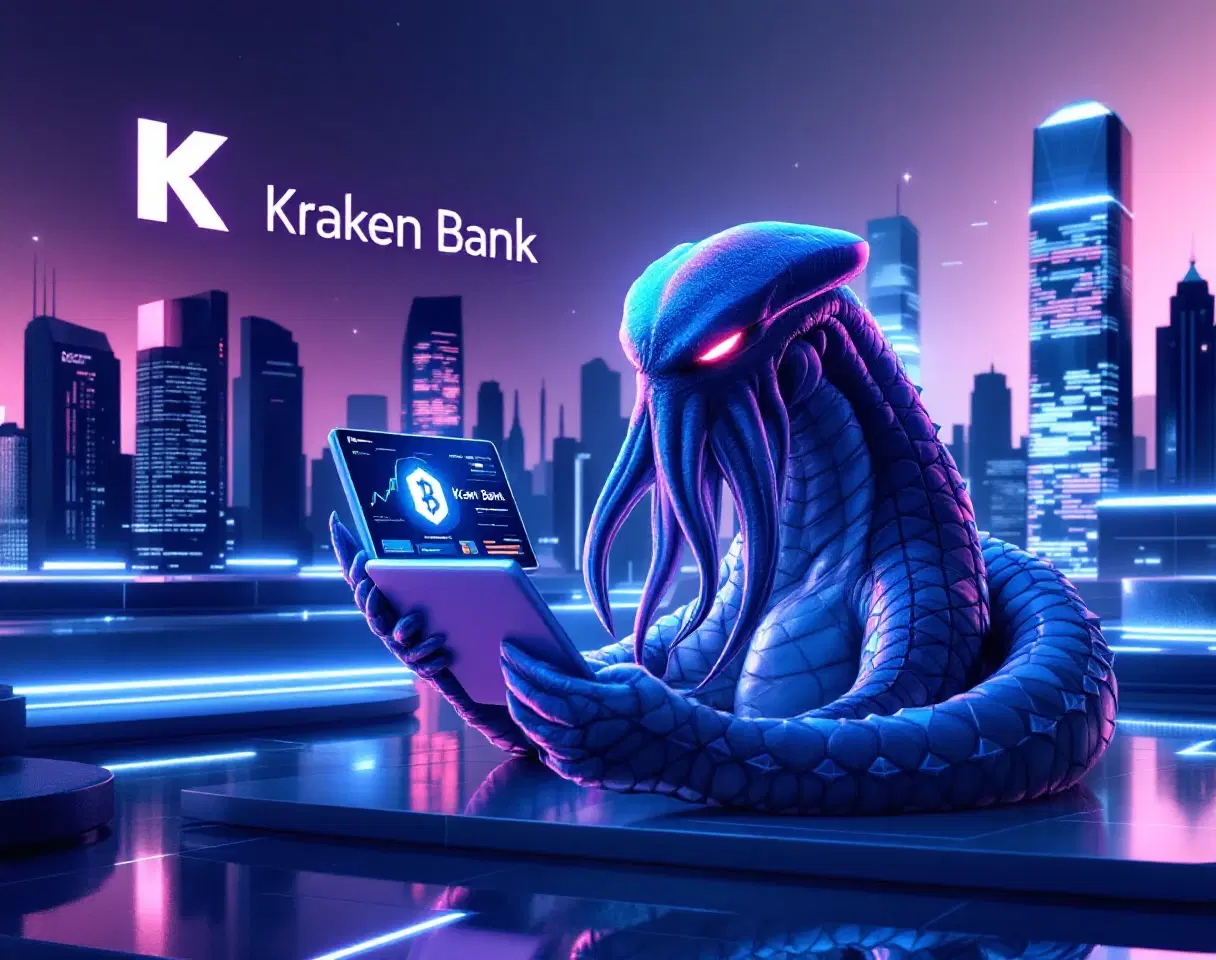
Kraken seeks a banking license in Lithuania, aiming to integrate crypto with traditional finance. This move could reshape the European crypto landscape.
July 08, 2026 |
July 08, 2026 |
July 08, 2026 |
July 07, 2026 |
As the cryptocurrency realm stretch its wings, the significance of regulatory endorsement looms larger than ever. Kraken’s ambitious bid for a banking license in Lithuania is not just a strategic move—it’s a bold challenge to the very essence of decentralized finance as we know it.
With its eyes set on becoming a full-service financial institution, Kraken is steadily shuffling the chess pieces in the crypto game, striving for a European banking license. This isn't simply a bid for legitimacy; it’s an in-depth transformation that could empower Kraken to extend essential banking services like payment processing and custodial accounts. If successful, the platform could stand as a beacon within the EU, possibly becoming the first major crypto exchange embraced by traditional banking frameworks in the region.
In recent years, Lithuania has catapulted to the forefront as a burgeoning fintech hub, attracting a plethora of financial players eager to thrive within its innovative and inviting regulatory landscape. The Bank of Lithuania’s decision to issue a specialized banking license to Revolut in 2018 underscored this narrative, allowing the finance pioneering firm to broaden its horizons across the European Economic Area. Kraken's choice to follow in these footsteps rides on Lithuania’s favorable atmosphere, blending innovation with strict consumer safeguards as per EU crypto regulations. This strategic maneuver could set a landmark precedent for how cryptocurrencies navigate the regulatory labyrinth across the continent.
The parallels between Kraken’s ambitions and Revolut's past achievements paint a vivid picture of potential success. Revolut's expansion beyond mere crypto transactions into a comprehensive offerings space, including credit and investment provisions, offers a compelling case study. Should Kraken secure the coveted banking license, it could elevate itself to a multifaceted financial juggernaut, crafting a powerful narrative that captures users' interest. Envisioning a future where trading is part of a broader portfolio of financial services encapsulates Kraken’s aspirations.
Kraken’s push signals a noteworthy pivot in how crypto exchanges are positioning themselves in relation to traditional banking. Evidence points to a burgeoning blend of cryptocurrency and established financial systems that could herald new opportunities for institutional involvement. However, as popular sentiment shifts towards institutional acceptance, the challenges are manifold, particularly around maintaining the integrity of decentralization. As exchanges like Kraken emerge from the shadows, a critical balancing act unfolds between adhering to regulatory frameworks and igniting the innovation that blockchain technology promises, igniting fervent discussions about the true essence of decentralized finance.
Pursuing a banking license raises a pivotal conundrum: does this journey threaten the decentralization ethos upon which cryptocurrencies were founded? As Kraken weaves through the intricate fintech licensing process, it is tasked with harmonizing regulatory necessity and the revolutionary spirit of blockchain. This delicate negotiation carries substantial implications; it hints at a financial ecosystem where decentralized finance operates under constraints reminiscent of traditional banking practices, potentially muzzling creativity and diverting from its original intentions.
Kraken’s endeavor embodies a larger narrative sweeping through the cryptocurrency sector at large. As the stakes rise with regulatory scrutiny intensifying globally, the importance of successful licensing endeavors cannot be overstated. Attaining a banking license would not only solidify Kraken’s foothold but could also serve as a guiding framework for fellow crypto enterprises. Embedding trust and ensuring regulatory compliance, Kraken has the potential to both elevate its standing and bolster the integrity and stability of the wider crypto market, ushering in a more credible environment for all.
In its quest for a banking license in Lithuania, Kraken is charting uncharted waters, redefining the intersection between traditional finance and digital assets. This strategic initiative not only promises to enhance Kraken’s array of services but also heralds the dawn of a new era for crypto firms navigating the tangled web of regulations. As the lines between cryptocurrency and conventional finance continue to blur, the consequences of such groundbreaking licensing efforts will reshape our understanding of decentralized finance moving forward. In this intricate ballet of compliance and innovation, Kraken isn’t merely altering its narrative; it stands on the verge of reimagining the very definition of a crypto exchange in an evolving economic landscape.