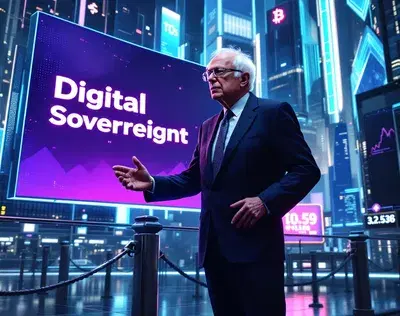


Russia's Digital Currency and Digital Rights Law could empower XRP, reshaping institutional investment and regulatory landscapes for cryptocurrencies by 2026.
Viết bởi: Dextr|July 22, 2026|4 phút đọc
July 21, 2026 |
July 21, 2026 |
July 21, 2026 |
July 21, 2026 |
A New Era for Russian Cryptocurrency
Imagine a world where cryptocurrencies aren't just novelties but cornerstones of a nation's economic strategy. Russia is on the verge of making that vision a reality with its impending Digital Currency and Digital Rights Law. Scheduled to take effect by September 2026, this innovative legislation is set to alter the paradigm for institutional investment in cryptocurrency. At the heart of this shift lies XRP, Ripple Labs' pioneering digital asset, intricately linked to the nation's financial architecture. This seismic change isn't just a footnote—it’s a potential renaissance for crypto aficionados and investors alike.
This law's approval signals Russia's recognition of the pressing necessity for a cohesive cryptocurrency framework. Steering this initiative is the Bank of Russia, tasked with monitoring a variety of crypto service providers, from exchanges to custodians. Companies will enjoy a grace period, allowing them to navigate compliance until July 2027, easing the transition from chaos to order.
Yet, a vital caveat persists: cryptocurrencies are still barred from domestic transactions. This cautious stance favors cross-border dealings, marking a strategic pivot toward blockchain settlement mechanisms as Russia grapples with the weight of ongoing financial sanctions. The implications are far-reaching, signaling a prudential approach amidst uncertain geopolitical waters.
Regulatory changes grant XRP a unique advantage that few cryptocurrencies can boast. It's the sole digital currency listed on the Moscow Exchange digital assets platform under the Digital Financial Assets (DFA) framework, positioning itself as a prime contender for institutional interest as the regulatory landscape matures. This setup allows institutions to invest in tokenized assets without the burdens of direct ownership—an opportunity that many digital assets will only grasp once full licensing structures are in place.
The prospects for XRP's uptake are promising, offering financial institutions a hedge against currency volatility while navigating the expansive potential of digital assets. In contrast, a host of cryptocurrencies remain mired in ambiguity, left waiting for clearer regulations. This landscape provides XRP with a distinct edge, as Russian institutions eagerly prepare to embrace a future rich in digital asset opportunities.
Russia's bold regulatory moves will resonate well beyond its own borders, casting ripples through US traders engaged in the evolving crypto scene. As formal regulations roll out, the advantage may tilt toward established regulated exchanges, making decentralized platforms appear riskier by comparison. Insights from industry experts suggest potential shifts in US traders' strategies, propelling them toward compliance-friendly assets like XRP that provide a safety net and a familiar institutional framework.
With XRP firmly situated within a regulated ecosystem, US investors will have to recalibrate their approaches. The interplay with compliant assets could unveil new trends prioritizing security and integrity, echoing the growing demand for legitimacy within the American market landscape.
As the regulatory landscape shifts, the impact on self-custodial trading strategies in the US could be profound. American investors may increasingly seek out frameworks emphasizing compliance and security, especially as the synergy between XRP and Russian financial systems raises a critical question: could this pressure US regulators to clarify domestic crypto guidelines?
In this fluid scenario, knowledge of regulations will become indispensable. Engaging with platforms that adhere to compliance standards may well sculpt the future of cryptocurrency investment—potentially transforming strategies in ways that prioritize safety alongside innovation.
The introduction of the Digital Currency and Digital Rights Law marks a watershed moment for licensed crypto businesses in Russia. With XRP securing its foothold in this new regulatory framework, both local and international markets must reckon with the far-reaching implications of these developments. As the contours of a meticulously structured market emerge, US traders should remain agile, ready to respond to the shifts driven by Russia's assertive digital currency agenda. The future of cryptocurrency stands at a crossroads—defined by compliance, clarity, and the opening of new investment pathways.