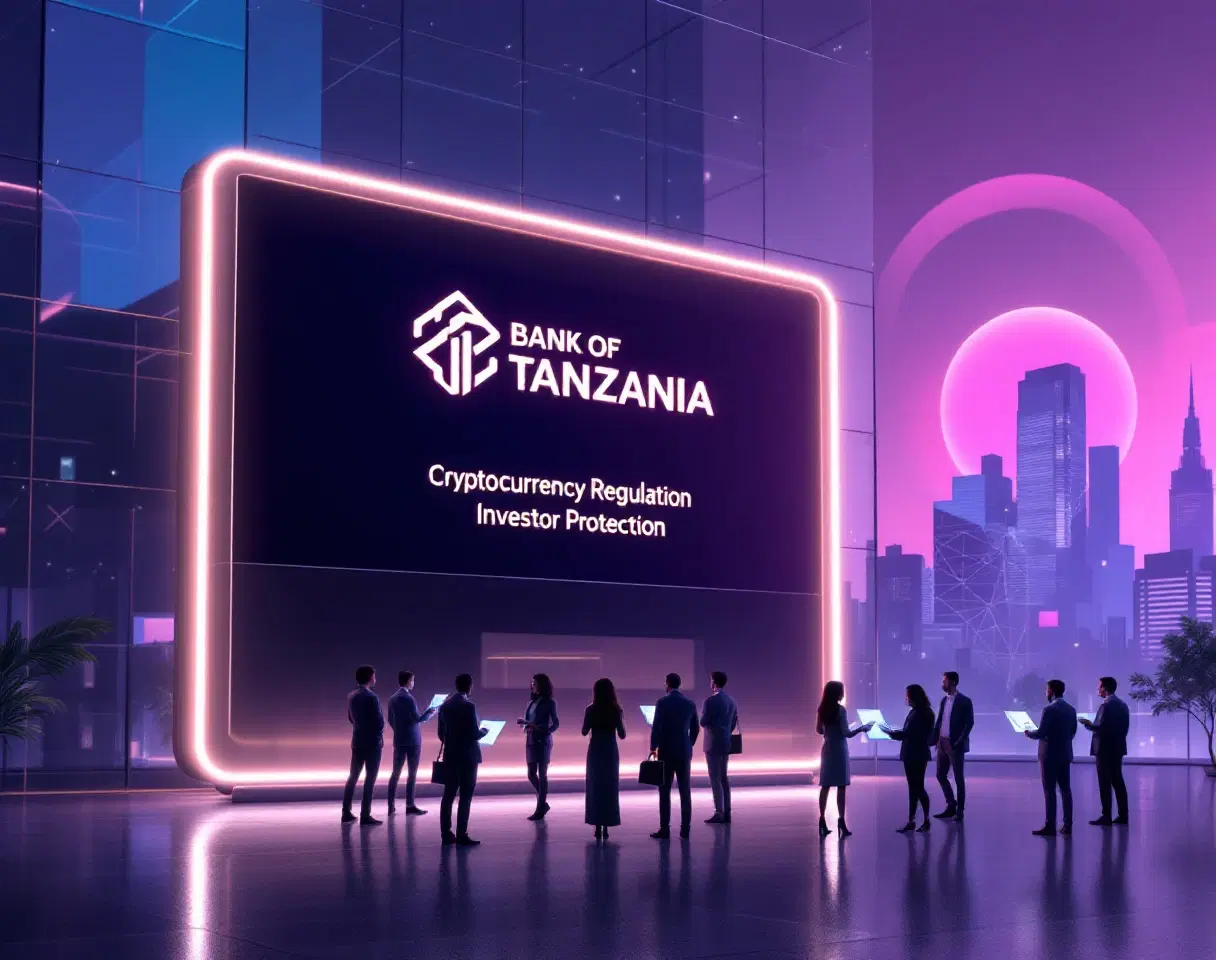


Tanzania's Bank of Tanzania rolls out a regulatory framework for cryptocurrencies, emphasizing investor protection and clear guidelines for the digital asset landscape.
July 15, 2026 |
July 15, 2026 |
July 15, 2026 |
July 14, 2026 |
If you think cryptocurrency is just a fleeting trend, think again. The Bank of Tanzania (BoT) is on the cusp of revolutionizing its digital asset landscape by rolling out a robust regulatory framework for cryptocurrencies and stablecoins. Gone are the days of dismissive warnings against the world of digital assets; this shift signals a welcomed focus on innovation, all while placing a strong emphasis on protecting investors. With a fresh regulatory playbook, Tanzania is ready to engage a spectrum of players—from individual investors eyeing the crypto revolution to energetic fintech startups longing for operational clarity.
The blueprint being laid out by the BoT seeks to articulate comprehensive guidelines that encompass an array of digital assets, especially cryptocurrencies and stablecoins. These guidelines aren't just bureaucratic red tape; they recognize the distinctive risks linked to each asset type. Stablecoins, critical for payment systems and monetary policy, will be under particular scrutiny. Among the framework’s potential highlights are:
This proactive shift is undoubtedly a response to a surge in grievances over losses in the crypto sphere, proof of BoT’s dedication to restoring trust among consumers.
Tanzania's strides toward establishing a clear regulatory environment for cryptocurrencies place it in an elite group alongside Nigeria and South Africa. Nigeria has taken the leap with its central bank digital currency, the eNaira, and South Africa has integrated crypto assets into existing regulations. Yet, Tanzania is carving out its own definitive pathway—one characterized by nuanced frameworks that stand apart.
What makes Tanzania's approach particularly intriguing is its clear targeting of younger investors. This insight into market dynamics reflects an understanding of the need for regulations that enhance access without inadvertently complicating matters for smaller traders. The balance of drawing in youth while fostering innovation could set Tanzania apart.
At its core, the BoT's renewed regulatory approach hinges on a fundamental truth: investor protection is paramount. As an increasing number of young individuals venture into the cryptocurrency sphere, the urgency for clear and dependable guidelines escalates. An absence of adequate protective measures may allow an environment of fraud and mismanagement to flourish, ultimately deterring future investments.
As regulations tighten across African nations, Tanzania could emerge as a benchmark for harmonizing innovation with prudent oversight. This equilibrium is essential, creating an environment where digital assets can thrive securely, benefiting not just investors but the broader market as well.
Despite the forward momentum, Tanzania faces significant hurdles as it transitions from vague regulations to clear legal standards. Currently, the absence of formal licensing for cryptocurrency exchanges or virtual asset providers leaves a fog of uncertainty over many market players. This lack of clarity could inhibit newcomers and stymie the potential growth of Tanzania's crypto sector.
Moreover, the introduction of new regulations should be approached with caution. If poorly conceived, these rules could unwittingly favor larger traders while placing undue burdens on smaller ones, ultimately skewing market dynamics.
In a notable policy move, Tanzania has implemented a 3% withholding tax on transactions involving digital assets, a step that underscores the government’s recognition of the digital economy's value. However, this taxation policy necessitates critical scrutiny. While it can serve to legitimize the digital asset space, it also risks discouraging smaller investors who may find compliance impractical.
The delicate balance between regulation and taxation will be crucial in determining whether Tanzania can cultivate a vibrant crypto market—one that nurtures innovation while minimizing the strain on smaller players.
Tanzania's emerging regulatory landscape is set to reshape the cryptocurrency environment, laying a foundation where innovation can thrive alongside investor security. Yet, the complexities of implementing such regulations, coupled with potential compliance challenges for smaller traders, reveal the fragile balance that must be struck. As Tanzania moves toward a clearer legal framework for cryptocurrencies and stablecoins, it’s essential for all participants in the market to stay informed and engaged. With the rapid evolution of digital assets across Africa, Tanzania's proactive strategies could significantly influence the continent's cryptocurrency narrative.